Good fire safety is usually built from repeatable habits rather than one dramatic action. These reminders are intentionally practical and should be used alongside the procedures, codes, standards and authority requirements that apply to the actual property or restaurant.
1. Keep exits clear all the time
Do not let deliveries, carts, boxes, waste or temporary storage narrow required exit routes or block exit doors.
2. Do not defeat fire doors
Do not wedge or prop required fire doors open. Report doors that do not close and latch or have obvious damage.
3. Keep emergency equipment accessible
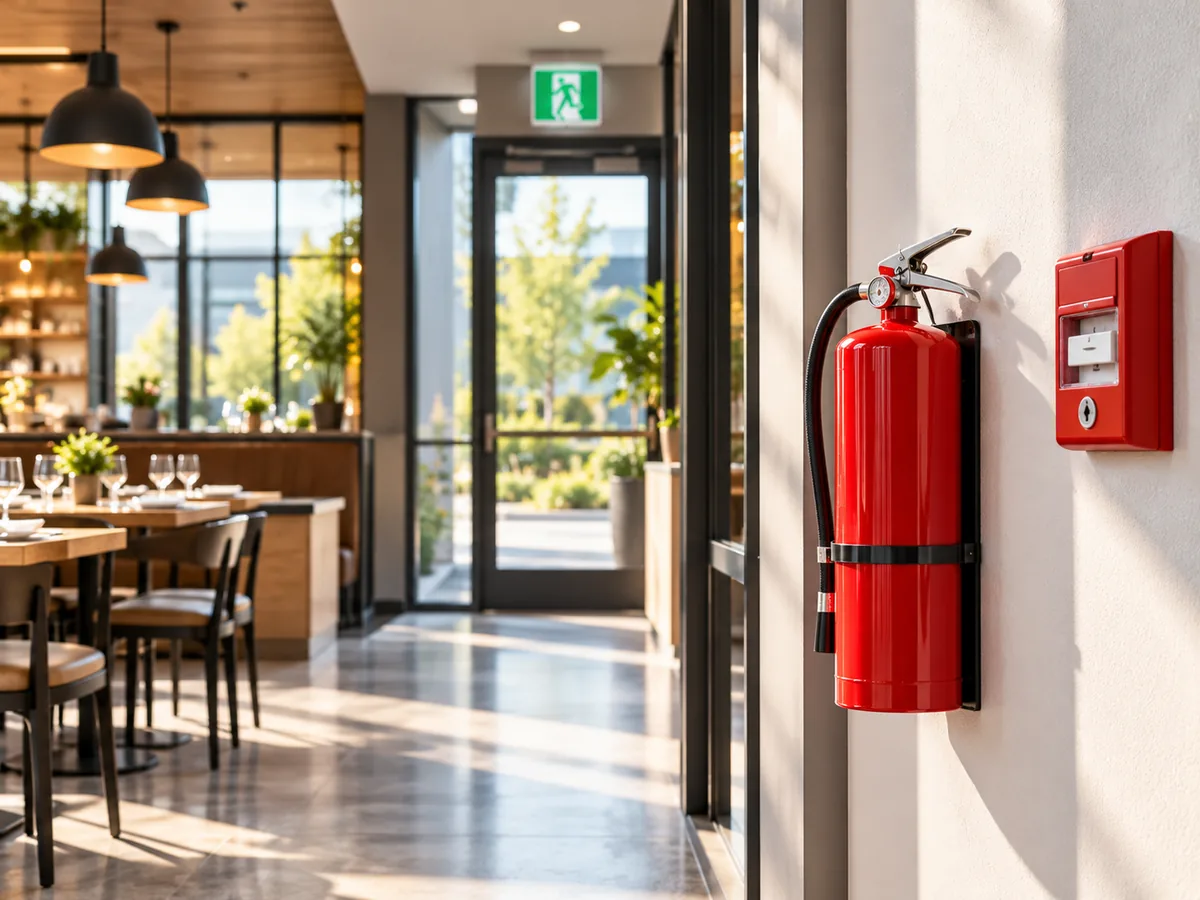
Fire extinguishers, manual activation devices, alarm pull stations, control equipment and fire department connections need clear access.
4. Treat trouble conditions as work to be completed
An alarm, trouble indication, leak or impairment should be reported through the established procedure and tracked until the condition is resolved.
5. Keep combustible storage under control
Maintain orderly storage, remove unnecessary combustible waste and keep service or equipment rooms free of obvious improper storage.
6. Use the correct equipment for the hazard
Do not assume every extinguisher is interchangeable. In restaurants, Class K protection is intended for commercial cooking oils and fats.
7. Never use water on a cooking-oil fire
Cooking-oil fires require the restaurant’s emergency procedure and appropriate suppression equipment. Do not improvise.
8. Watch charging locations
Keep charging away from exits and combustible storage, and do not charge damaged, swollen or unusually hot batteries.
9. Document what actually happened
Do not prefill patrol logs or inspections. Record actual times, conditions, actions and follow-up.
10. Review contractor work for fire-safety impacts
Before work begins, consider hot work, system shutdowns, blocked exits, temporary power, combustible materials and restoration responsibility.
11. Track deficiencies to closure
A list of problems is not enough. Assign responsibility, set a target date and verify completion.
12. Know when to call qualified help
Inspection, testing, maintenance, repair and restoration must be performed by qualified persons where required. Managers should know when an issue is beyond routine operational observation.