Tenants Keep Removing Smoke Alarms. What Can Landlords and Property Managers Actually Do?
A practical guide to disabled smoke alarms, landlord responsibilities, tenant communication, corrective action and prevention.
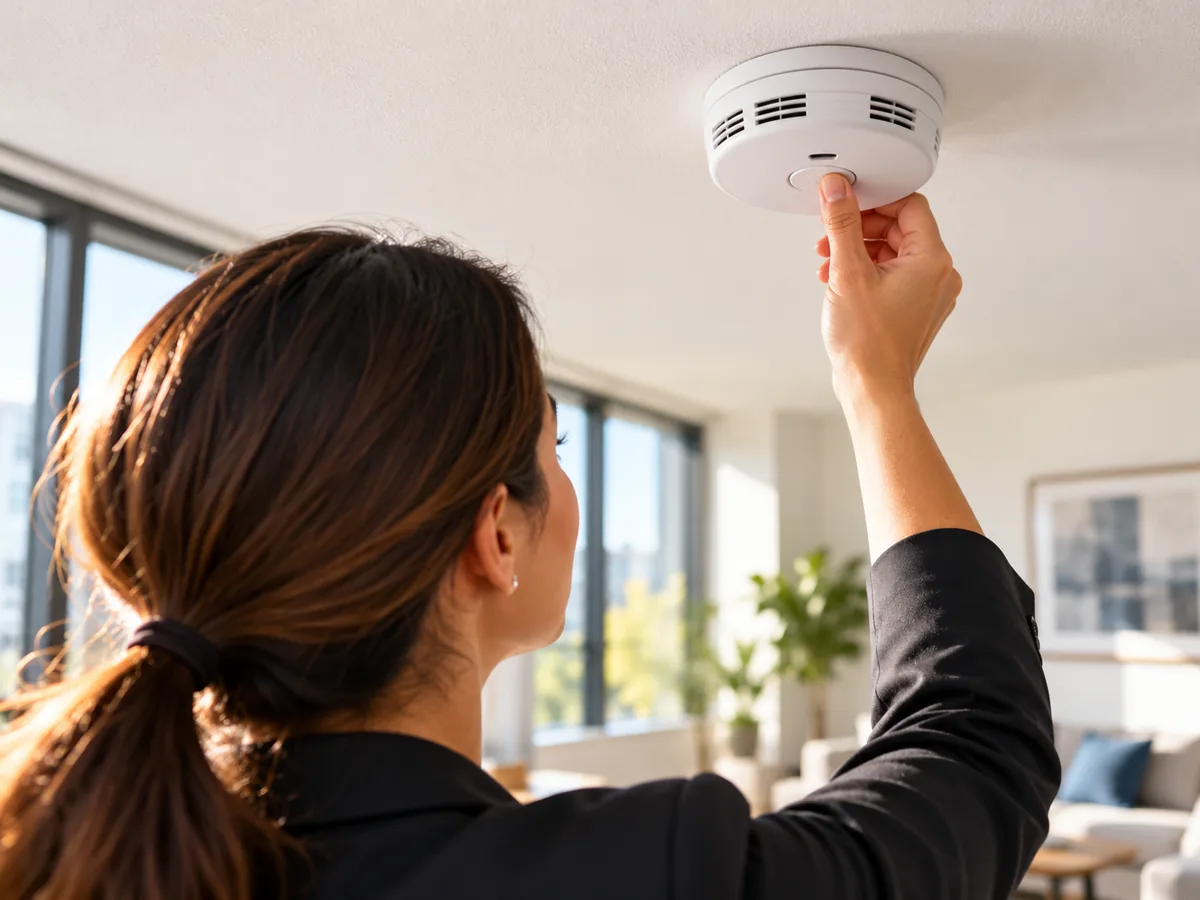
Smoke alarms are among the most important life-safety devices in a residential building. Yet property managers and superintendents sometimes discover that a tenant has removed a battery, covered an alarm or disconnected the device altogether. The immediate question is practical: what should building management do next?
Whether the cause is cooking smoke, nuisance activations, a low-battery warning or misunderstanding, a disabled required smoke alarm is a fire-safety deficiency. The objective is to restore protection, address the cause and document the result.
Identify the problem. Restore the required protection. Explain expectations. Document corrective action. Verify the result.
Why do tenants disconnect smoke alarms?
Understanding the cause can reduce repeat incidents. Common explanations include:
- Cooking-related nuisance alarms — frequent activations when preparing meals.
- Low-battery chirping — residents remove a battery rather than ask for a replacement or service.
- Steam, dust or equipment faults — environmental conditions, unsuitable locations or deteriorating alarms can cause problems.
- Lack of awareness — some occupants do not appreciate how quickly an unsafe fire can develop.
These circumstances may explain the behaviour; they do not make it acceptable to disable a required smoke alarm. Investigate recurring unwanted activations and arrange an appropriate, compliant solution instead.
Who is responsible for smoke alarms in rental properties?
Smoke alarm requirements are established through local fire and building codes, housing regulations and, in some locations, residential tenancy laws. The rules can differ between countries, provinces, states and municipalities. They may also depend on the building's age, layout, occupancy and installed equipment.
Landlords and property managers should verify the requirements for their specific building with the local fire authority and applicable legislation rather than assume one standard applies everywhere.
Landlord and property manager responsibilities
In many jurisdictions, landlords are responsible for providing and maintaining the smoke alarms required in rental properties. Depending on local requirements, building management may need to:
- Confirm that the correct type and number of alarms are installed in the required locations.
- Arrange smoke alarm testing and inspections at the intervals required by local rules and manufacturer instructions.
- Complete any required checks when residents move in or out.
- Respond promptly to defects, missing batteries, damaged equipment and disabled alarms.
- Replace alarms when required by their service life, condition or applicable code.
- Provide relevant instructions to residents and keep the records required for the property.
Tenant responsibilities
Residents should leave required smoke alarms connected and unobstructed, promptly report problems to building management and never remove batteries or alter an alarm to silence unwanted activations. The precise legal responsibilities of tenants, and the remedies available for tampering, depend on the applicable local rules.
Regardless of why an alarm was disabled, building management should act to restore the required level of protection and verify that the issue is resolved.
Check local requirements: Consult the fire or building code for your jurisdiction, the applicable landlord-and-tenant legislation, your building's approved fire-safety procedures and the smoke alarm manufacturer's instructions. Your local fire prevention office or authority having jurisdiction can help clarify building-specific obligations.
Five steps when a smoke alarm has been disabled
1. Restore the required protection promptly
Arrange an inspection and the necessary corrective action. The alarm may require a suitable battery, service or replacement. Electrical alterations and technical repairs should only be performed by people trained and authorized for the task. Once the issue is corrected, complete the applicable test and record the outcome.
2. Determine why it happened
Ask the resident what they observed. Was the alarm sounding while cooking? Did it chirp intermittently? Was there an equipment problem? Understanding the cause helps prevent repeat incidents without compromising required protection.
3. Communicate expectations in writing
Explain that required alarms must remain operational and should never be disabled. Tell residents how to report low-battery warnings, unwanted activations, damaged alarms or malfunctions, and make maintenance and reporting instructions available.
4. Create a clear incident and correction record
Use your deficiency log or work-order system to record:
- Building address and unit number.
- Discovery/report date, reported condition and immediate actions.
- Corrective service or replacement performed and by whom.
- Functional test date and outcome.
- Resident communication and any further follow-up.
A record should show both the original deficiency and the verified correction—not simply that someone attended the unit. For broader guidance, see Apartment Fire Safety Records: What Property Managers Should Keep Organized.
5. Verify the result and follow up
Close the deficiency only when required protection has been restored and verified. If the problem is recurring, review the history, the cause, whether equipment changes or service are appropriate and whether more formal follow-up is needed.
What if a tenant repeatedly disables the alarm?
Repeated tampering should trigger a consistent, documented response. Review previous incidents, communicate expectations in writing, investigate recurring nuisance activations and consider contacting the local fire prevention authority when the problem continues. If formal tenancy action becomes necessary, seek advice based on the laws that apply to the property.
Do not assume smoke-alarm tampering automatically permits eviction, penalties or entry without notice. Enforcement options and procedures vary by jurisdiction. The immediate fire-safety priority remains restoring the required protection.
Can a landlord enter a rental unit to inspect or repair an alarm?
Rules for entering an occupied rental unit differ by jurisdiction. Routine inspections and repairs commonly involve a lawful reason for entry and advance notice, but the required notice period, permitted hours and exceptions are not the same everywhere.
Follow your applicable tenancy laws and building policies when arranging access. True emergencies may be treated differently, but a smoke-alarm concern does not automatically eliminate the normal entry requirements. If access is refused while protection remains impaired, obtain appropriate legal or fire authority guidance.
How property managers can prevent repeat incidents
- Educate residents: Explain why alarms must remain operational and what to do when an alarm chirps or activates unexpectedly.
- Investigate nuisance alarms: Have trained and authorized personnel or qualified service providers assess equipment, installation and environmental issues without compromising code compliance.
- Maintain a testing schedule: Arrange and record tests at the intervals required by applicable codes and manufacturer instructions, including occupancy-change checks where required.
- Provide a clear reporting path: Make it easy for residents to request maintenance before they attempt to silence a problem themselves.
- Review repeat patterns: Similar incidents across multiple units may indicate a broader equipment or communication issue.
- Track deficiencies through verified correction: Keep connected records of reports, notices, work orders, test results and follow-up.
Smoke alarms and building fire alarm systems are different
Individual smoke alarms in apartments and smoke detectors connected to a building's fire alarm system may serve different functions and have different testing and maintenance requirements. One does not automatically replace the other. Managers should know what devices are installed and who is trained and authorized to work on each system.
Frequently asked questions
Can tenants remove the battery from a smoke alarm?
Removing a battery or otherwise disabling a required smoke alarm puts occupants at risk and may violate local codes or tenancy rules. Residents should report unwanted activations or equipment faults to the landlord rather than disable the alarm.
Who replaces a defective smoke alarm in a rental unit?
In many jurisdictions, landlords must maintain required smoke alarms and arrange necessary repairs or replacement. Exact legal duties depend on local requirements and the equipment installed. Residents should promptly report defects.
How often should landlords test smoke alarms?
Testing intervals depend on the local code, property and smoke alarm type. Establish a documented testing program that meets the applicable rules and manufacturer's instructions, including additional testing after service or a change in occupancy where required.
The bottom line
Smoke-alarm tampering is not just a tenant-behaviour issue. It is an actionable life-safety deficiency. The strongest building-management process connects prompt correction, clear communication, accurate records and verification.
Support your building's fire-safety program
The Residential Apartment Building Fire Safety Handbook provides practical guidance for owners, property managers, superintendents and building teams. Pair it with the Resource Package for printable and fillable checklists, deficiency records and other operational tools.
Explore Apartment Handbook & Resources →Browse more practical articles →Important: This article provides general educational guidance for landlords and property managers. Local fire codes, housing laws, lease requirements and enforcement processes differ. It is not legal advice and does not replace applicable codes, approved fire-safety procedures, manufacturer instructions, qualified services or direction from the authority having jurisdiction.
← Return to Practical Articles